SACD - On Display For All To Hear

The ‘SACD - On Display For All To Hear’ session at the Surround Professional 2002 event brought together renowned producers and engineers who showcased their music on SACD. Moderated by Sony’s David Kawakami, the panel included Al Schmitt, Bill Schnee, Bruce Botnick, and Elliot Scheiner. The session featured demonstrations of various tracks and discussions about the recording techniques and mixing philosophy used for SACD.
Analog vs. Digital
During the demonstrations, it became apparent that most of the recordings had an analog origin, with only a few elements, such as vocals, done in digital format. The use of analog recordings in conjunction with SACD as a distribution medium seemed to be the preferred method among the producers and engineers. It was mentioned that there is still some skepticism and resistance when it comes to fully embracing the digital capabilities of SACD.
Mixing Techniques
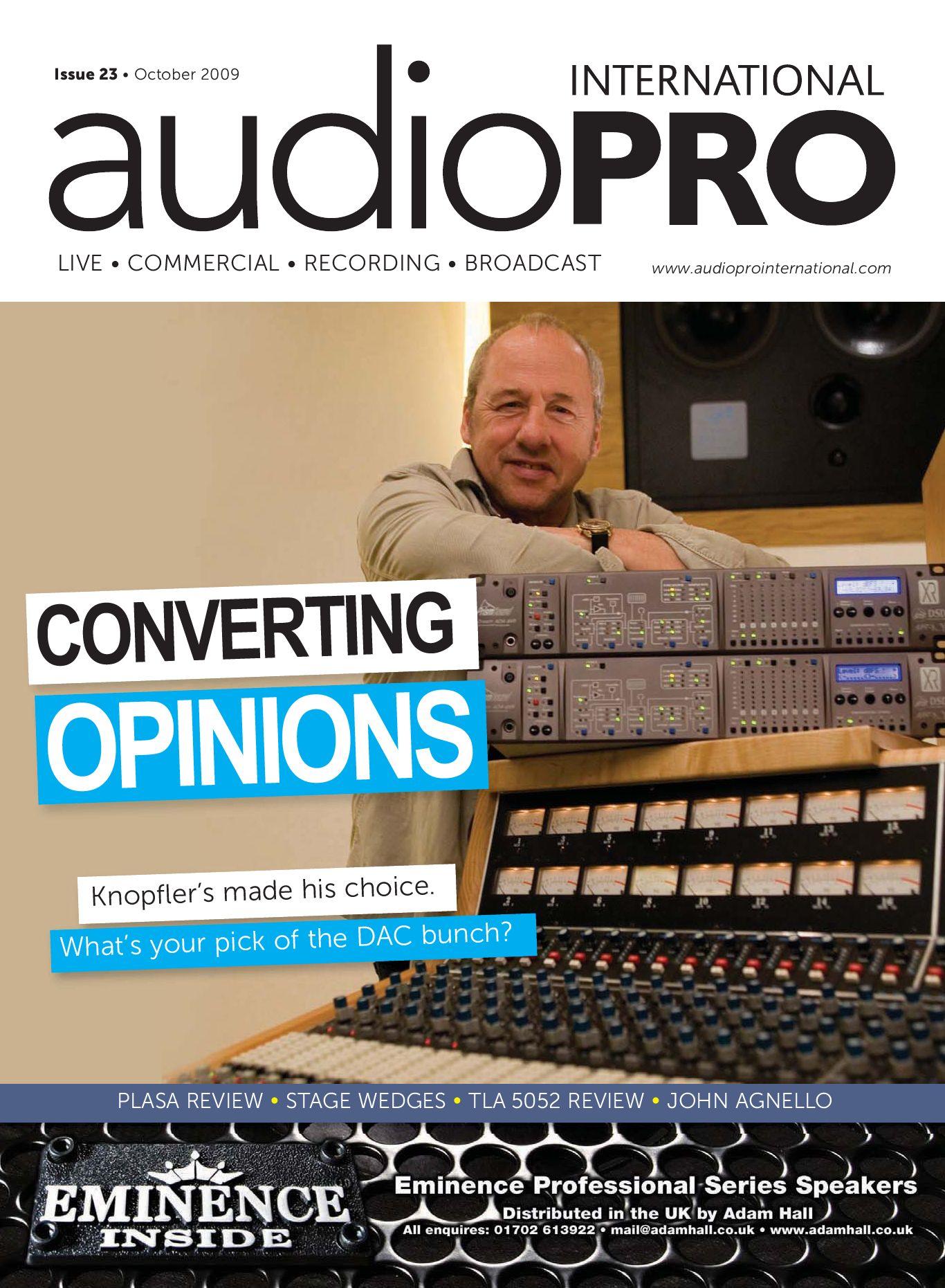
The panel members shared their mixing techniques, which largely revolved around starting with a stereo mix and then expanding it into a surround sound version. Most of the mixes featured a phantom center channel with subtle fill from the other speakers. The panelists expressed a preference for this approach, influenced by the era of surround sound they had originally worked in.
Benefits of SACD
One of the challenges of the demonstrations was the difficulty in comparing the SACD versions to their CD counterparts. Without reference points, it was hard to assess the true benefits of SACD in terms of sound quality and fidelity. However, audience members were able to appreciate the wide dynamic range and the immersive experience provided by SACD.
The Role of the Center Channel and Surround Mixing

The topic of the center channel and surround mixing generated interesting discussions. It was revealed that some artists and musicians are not particularly interested in the multi-channel capabilities and higher resolution offered by formats like SACD. The panel members emphasized the importance of center vocals for ensuring proper localization of the vocalist, but also acknowledged the challenge in finding a balance that satisfies all listeners.
Conclusion
The ‘SACD - On Display For All To Hear’ session at Surround Professional 2002 shed light on the recording and mixing practices used for SACD. While some panel members seemed hesitant to fully embrace the digital capabilities of the format, it was clear that SACD offered a unique and immersive audio experience. The demonstrations highlighted the potential of SACD, although the lack of comparison to CD versions made it difficult to fully assess the advantages of the format.
Overall, the session provided valuable insights into the world of SACD and the perspectives of industry professionals. It showcased the ongoing evolution of surround sound and the various techniques used by producers and engineers to create captivating audio experiences. As the industry continues to explore new possibilities in audio technology, it is clear that SACD has a role to play in enhancing the listening experience for music enthusiasts around the world.
If you're interested in attending industry events like Surround Professional 2002, be sure to check with local hotels for accommodations and event updates. These events provide a unique opportunity to learn from experts in the field and stay up to date with the latest advancements in audio technology.